Before a bar is rolled or a beam is cast, raw ore has to become something a kiln can reduce, a furnace can melt, and a rolling mill can shape. That chain runs through three intermediate products: pelletised ore, direct-reduced sponge iron, and continuously cast billets.
Each one is produced in-house across our own plants, SIPL Rukni, our rotary kilns and induction furnaces, and our continuous casting lines, so the quality of what reaches the rolling mill is something we control end to end, not something we source and hope for.
PRODUCTS IN THIS CATEGORY
Three Products, One Chain
Select "View Specifications" on any product to see use cases, specifications and FAQs right here, no separate page to load.
01
Iron Pellets
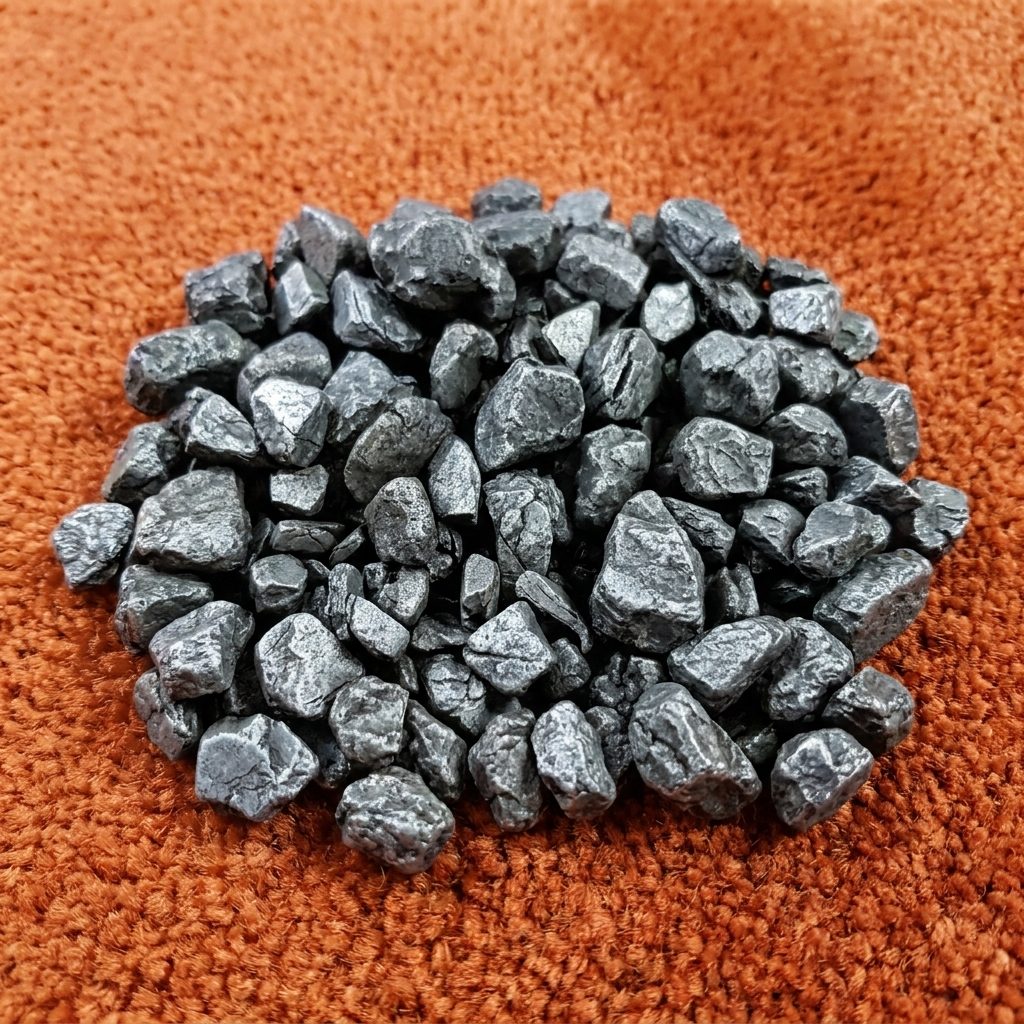
6–16mm spheroids agglomerated from iron ore fines, premium feedstock for DRI kilns and blast furnaces alike.
↗6 – 16 MM•PELLETSDRI FEEDSTOCK
View SpecificationsHide Specifications
Product Overview
The uniform spheres that turn raw ore fines into something a kiln can actually reduce.
Key Specifications
Size: 6–16mm
Process: Thermal Hardening
Capacity: 0.9+ MTPA
Common Applications
DRI Rotary Kilns
Blast Furnace Feed
WHAT IS IT?
Raw Ore, Made Kiln-Ready
Raw iron ore fines alone are too fine and inconsistent to feed a reduction kiln directly, they choke airflow and reduce unevenly. At our SIPL Rukni pellet plant, those fines are mixed with limestone, dolomite and bentonite binders, agglomerated into uniform spherical pellets, and thermally hardened.
The result is a spheroid engineered specifically for the permeability that clean, efficient reduction demands, the first manufactured step in a chain that ends in a finished steel bar.
PRIMARY PURPOSE & BEST USE CASES
From Fines to Feedstock
Iron pellets exist to solve one problem: giving a reduction process a consistent, permeable charge to work with.
DRI Rotary Kilns
Feeds our own rotary kilns, where pellets and coal meet at roughly 950°C to strip oxygen and produce sponge iron, no coking, no blast furnace required.
Blast Furnace Operators
Equally suited as premium feedstock for external blast furnace operators who need a consistent, high-permeability charge at scale.
PRODUCT SPECIFICATIONS
Clean, Scannable Parameters
Size
6–16 MM spheroids
Composition
Iron ore fines with limestone, dolomite and bentonite binders
Process
Thermal hardening (induration)
Produced At
SIPL Rukni
Capacity
0.9+ MTPA
Why Choose Our Iron Pellets?
Inconsistent ore fines choke a kiln's airflow and waste fuel on uneven reduction. Our pellets are engineered to a uniform size and hardness specifically for the permeability a reduction kiln needs, clean, efficient, predictable reduction, batch after batch.
FREQUENTLY ASKED QUESTIONS
Iron Pellets, Common Questions
What size are your iron pellets?
Uniform 6–16mm spheroids, sized specifically for consistent kiln permeability.
What binders are used in production?
Iron ore fines are agglomerated with limestone, dolomite and bentonite binders before thermal hardening.
Do you supply pellets outside your own kilns?
Yes, SIPL Rukni produces at 0.9+ MTPA scale, enough to feed our own rotary kilns and supply external DRI and blast furnace operators.
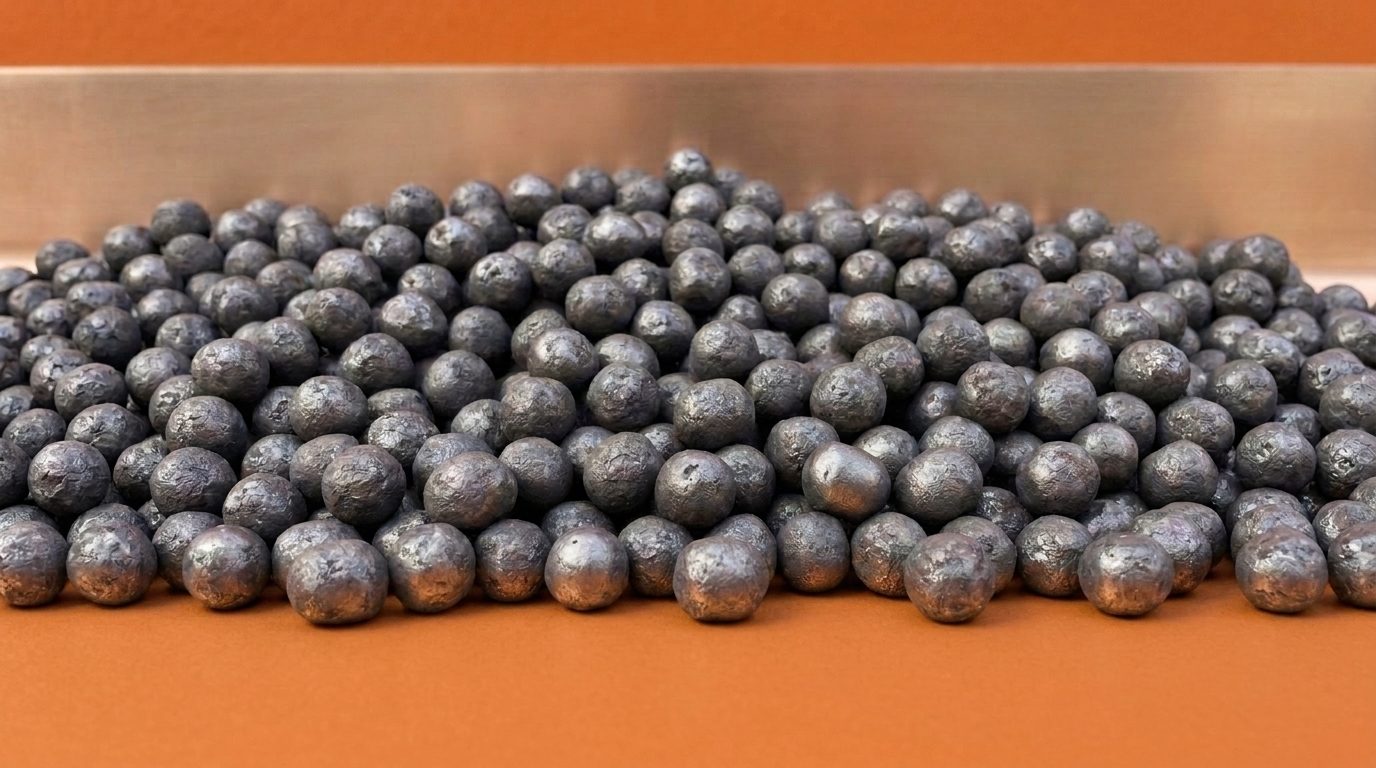
Solid-state direct reduced iron, coal-based, high-metallisation, the primary feed for our induction furnace route.
↗~950°C•DRIHIGH METALLISATION
View SpecificationsHide Specifications
Product Overview
Metallic iron reduced from ore without a single coking oven or blast furnace.
Key Specifications
Process: Coal-Based DRI
Temp: ~950°C
Quality: High Metallisation
Common Applications
Induction Furnace Feed
External DRI Market
WHAT IS IT?
Iron, Reduced Without Melting
Sponge iron is solid-state direct reduced metallic iron, made by removing oxygen from raw ore rather than melting it out. Inside our rotary kiln, iron pellets and coal meet at roughly 950°C, oxygen is stripped away, leaving only metallic iron behind.
No coking, no blast furnace: a shorter, cleaner process chain than traditional ironmaking. India is the world's largest producer of sponge iron, and it is the primary feed for our own induction furnace route.
PRIMARY PURPOSE & BEST USE CASES
The Primary Feed for Liquid Steel
Sponge iron is a bridge product, solid metallic iron that still needs melting before it becomes steel.
Induction Furnace Feed
Melted alongside externally sourced scrap, pig iron and in-house silicomanganese at roughly 1600°C into liquid steel, ready for continuous casting.
External DRI Market
India is the world's largest producer of sponge iron, and Shakambhari supplies into that broader market beyond captive use.
PRODUCT SPECIFICATIONS
Clean, Scannable Parameters
Process
Coal-Based Direct Reduced Iron (DRI)
Quality
High Metallisation
Reduction Temperature
~950°C in rotary kiln
Feedstock
Iron ore pellets + coal
Why Choose Our Sponge Iron?
Coal-based DRI gives us a route to metallic iron without coking ovens or blast furnaces, a shorter, cleaner process chain feeding directly into our own induction furnace, with the metallisation consistency that furnace needs to run predictably.
FREQUENTLY ASKED QUESTIONS
Sponge Iron, Common Questions
What is DRI?
Direct Reduced Iron, metallic iron produced by removing oxygen from ore in solid state, without melting it, unlike blast furnace ironmaking.
What feeds into your rotary kiln to make sponge iron?
Iron ore pellets and coal, reduced together at roughly 950°C.
Is sponge iron used only inside your own plants?
No, while it's the primary feed for our induction furnace route, we also supply sponge iron into the broader market, where India is the world's largest producer.
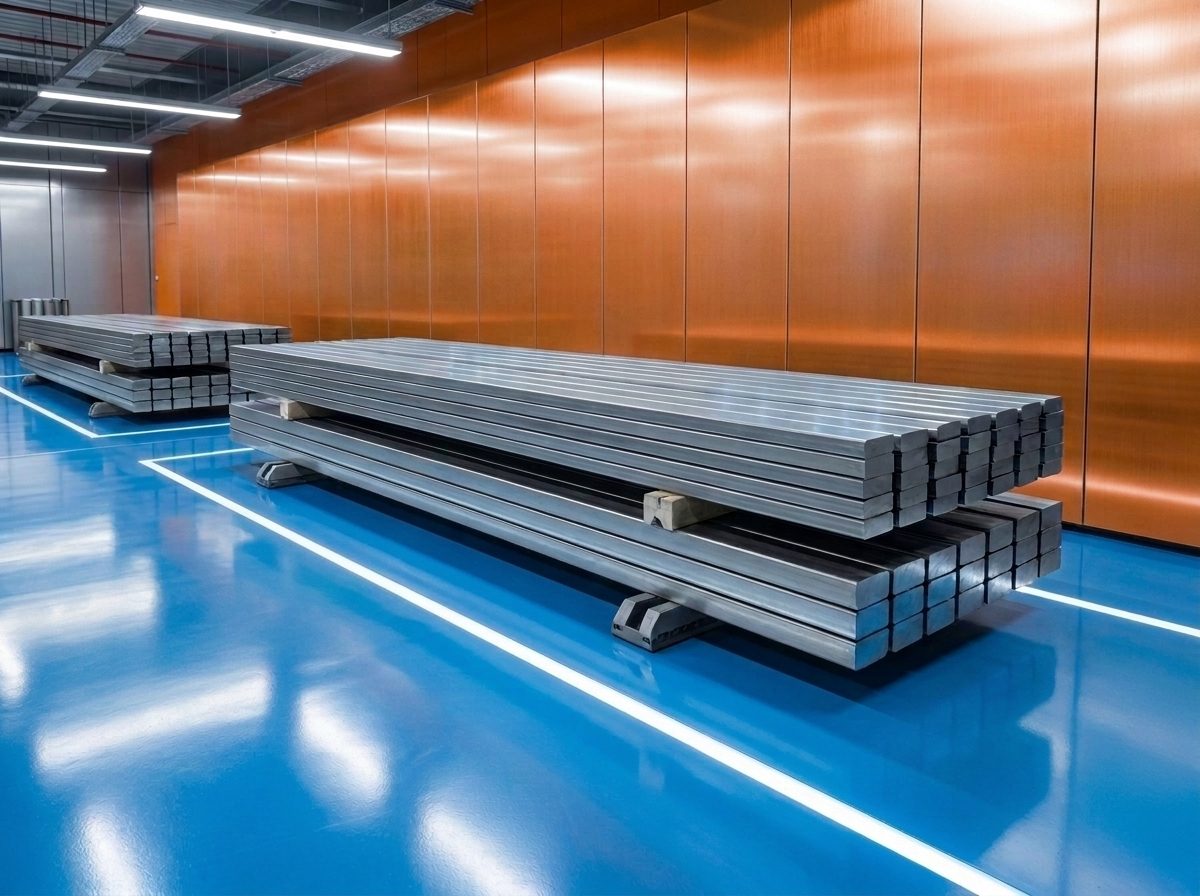
High-grade semi-finished steel, 100mm–160mm, continuously cast and ready to become TMT bars, wire rods or structural steel.
↗100MM – 160MM•IS 2830:2012CONTINUOUS CAST
View SpecificationsHide Specifications
Product Overview
The semi-finished steel that becomes every bar, rod and section we roll.
Key Specifications
Size: 100–160mm
Standard: IS 2830:2012
Process: Continuous Cast
Common Applications
TMT Bars
Wire Rods
Structural Steel
Merchant Billet Sales
WHAT IS IT?
Liquid Steel, Cast Without Interruption
M.S. Billets are high-grade semi-finished steel, produced by melting sponge iron, pig iron and select ferro alloys at roughly 1600°C in an induction furnace, then continuously cast: poured into water-cooled molds and drawn out without interruption.
That continuous process, no batch, no stopping, is what gives every billet a homogeneous grain structure, the difference between a rolling mill that runs clean and one that fights inconsistent feedstock.
PRIMARY PURPOSE & BEST USE CASES
One Billet, Three Finished Products
A billet is a means to an end, reheated and rolled down into whatever finished steel the market needs next.
Rolling Mill Feed
Reheated and driven through rolling mills under enormous pressure, elongating and refining into TMT bars, wire rods and structural steel.
Merchant Billet Sales
Sold as semi-finished feedstock to external rolling mills that don't run their own melt shop.
Continuous casting means no batch, no interruption, every billet shares the same homogeneous grain structure, the difference between a rolling mill that runs clean and one that fights inconsistent feedstock.
FREQUENTLY ASKED QUESTIONS
M.S. Billets, Common Questions
What sizes do your billets come in?
100mm to 160mm, produced to IS 2830:2012.
What goes into the melt before casting?
Sponge iron, pig iron and select ferro alloys, melted together at roughly 1600°C in an induction furnace before continuous casting.
Do you sell billets to other rolling mills?
Yes, while a large share feeds our own rolling mills, we also supply billets to external mills as merchant semi-finished stock.