Every milestone we achieve, every step we take, brings us closer to our vision of a better tomorrow.
Our journey is powered by commitment, driven by passion, and inspired by the future we aim to build.
Explore Our JourneyNo single leap explains Shakambhari. It's a sequence of decisions, each one making the next one possible.
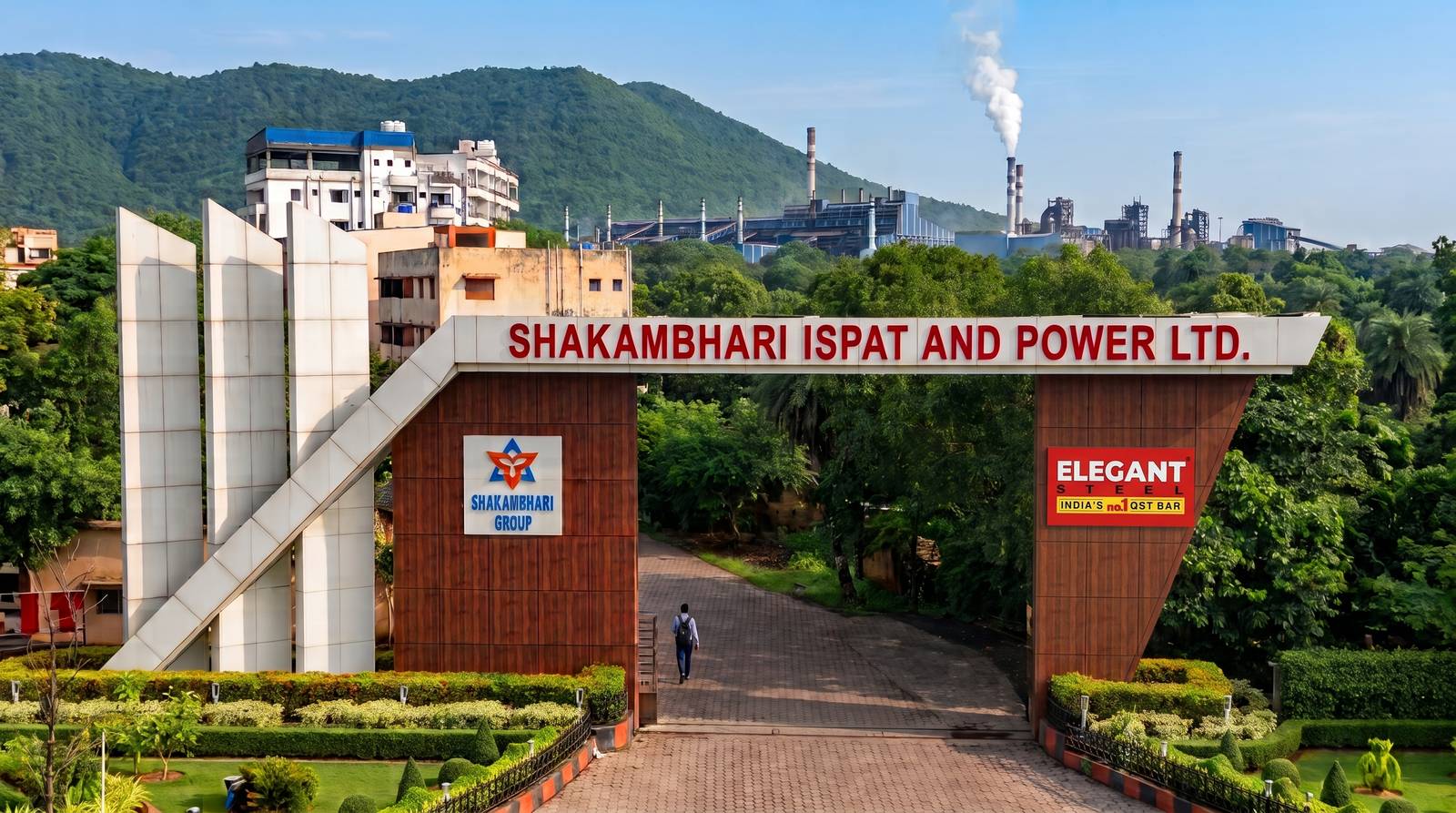
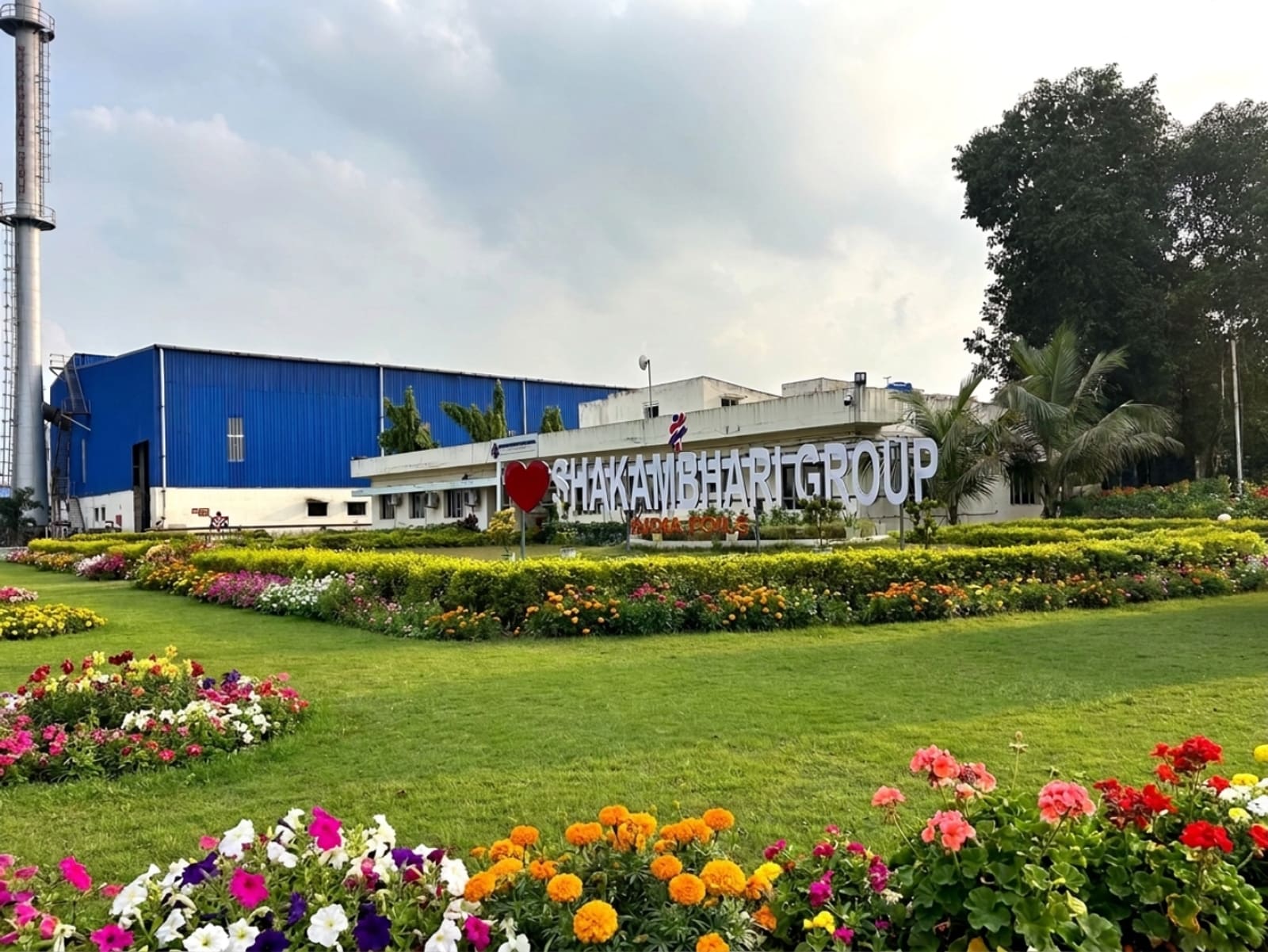
Incorporated in 2001 as Ma Chhinnamastika Steel & Power Pvt. Ltd., spread across approximately 177.19 acres, this is the site that would later become SIPL Madandih.
Shakambhari Agrotech is incorporated on 21 July 2014, launching Green Habit: organic exotic fruits and vegetables grown in West Bengal.
In June 2015, SIPL Rukni formally comes under the Shakambhari Group, folding the pellet plant into the wider integrated chain.
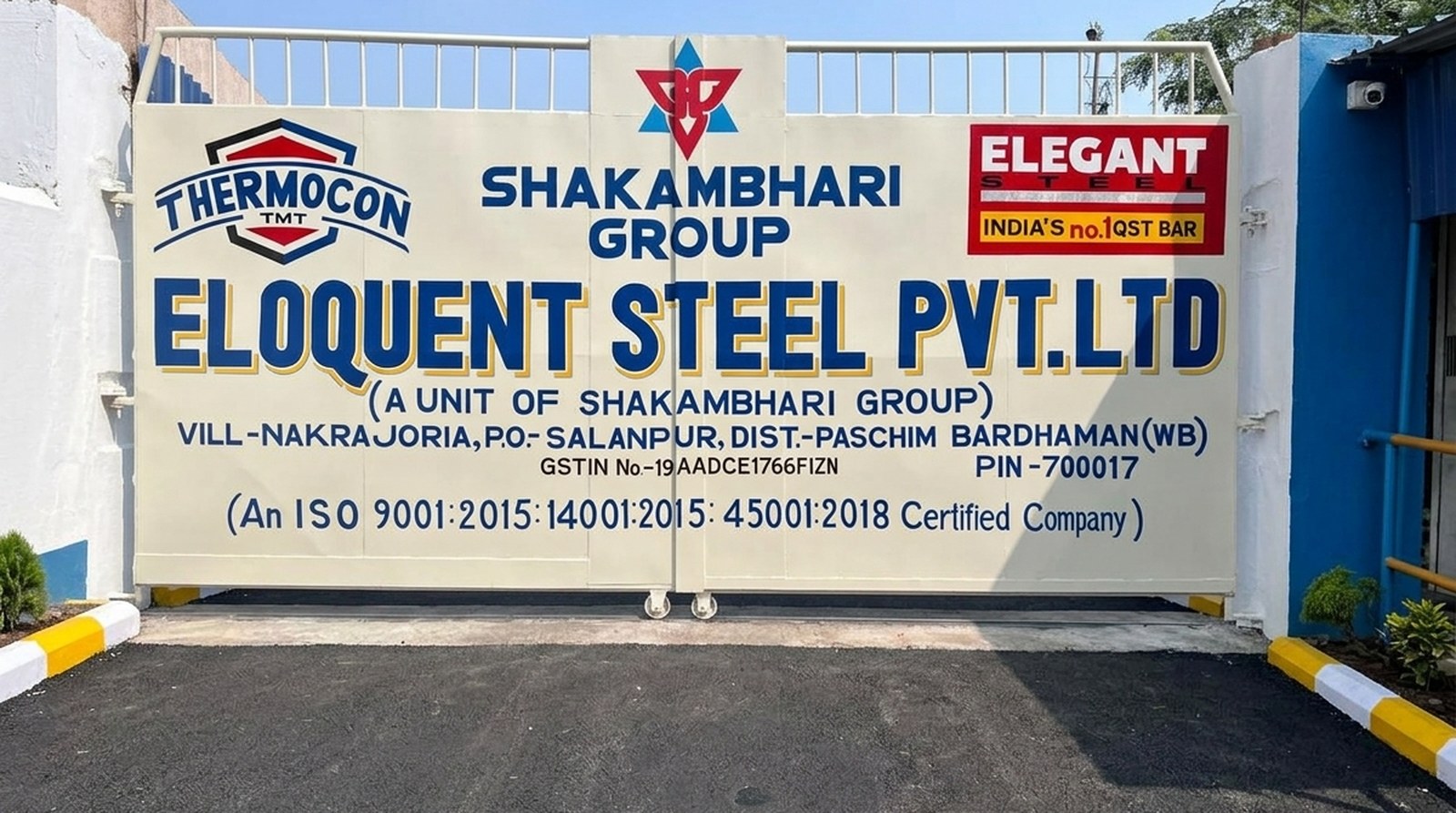
Through Eloquent Steel Pvt. Ltd., the group wins an Official Liquidator auction for two closed, adjacent plants, Hira Concast Ltd and Impex Steel Ltd, in Asansol. Possession follows in September 2017 (FY18), and after refurbishment, commercial operations restart in November 2018.

Shakambhari officially acquires the SPS Steel Plant and takes control of the Elegant brand in April 2019, inheriting a name that had already been on TMT bars and structural steel since 1993.
Shakambhari Ispat & Power Limited wins the highest bid in an NCLT e-auction for Ess Dee Aluminium Limited, owner of India Foils. The Kolkata Bench approves the acquisition on 24 February 2023, bringing an aluminium foil plant into a group that had only ever worked in iron.
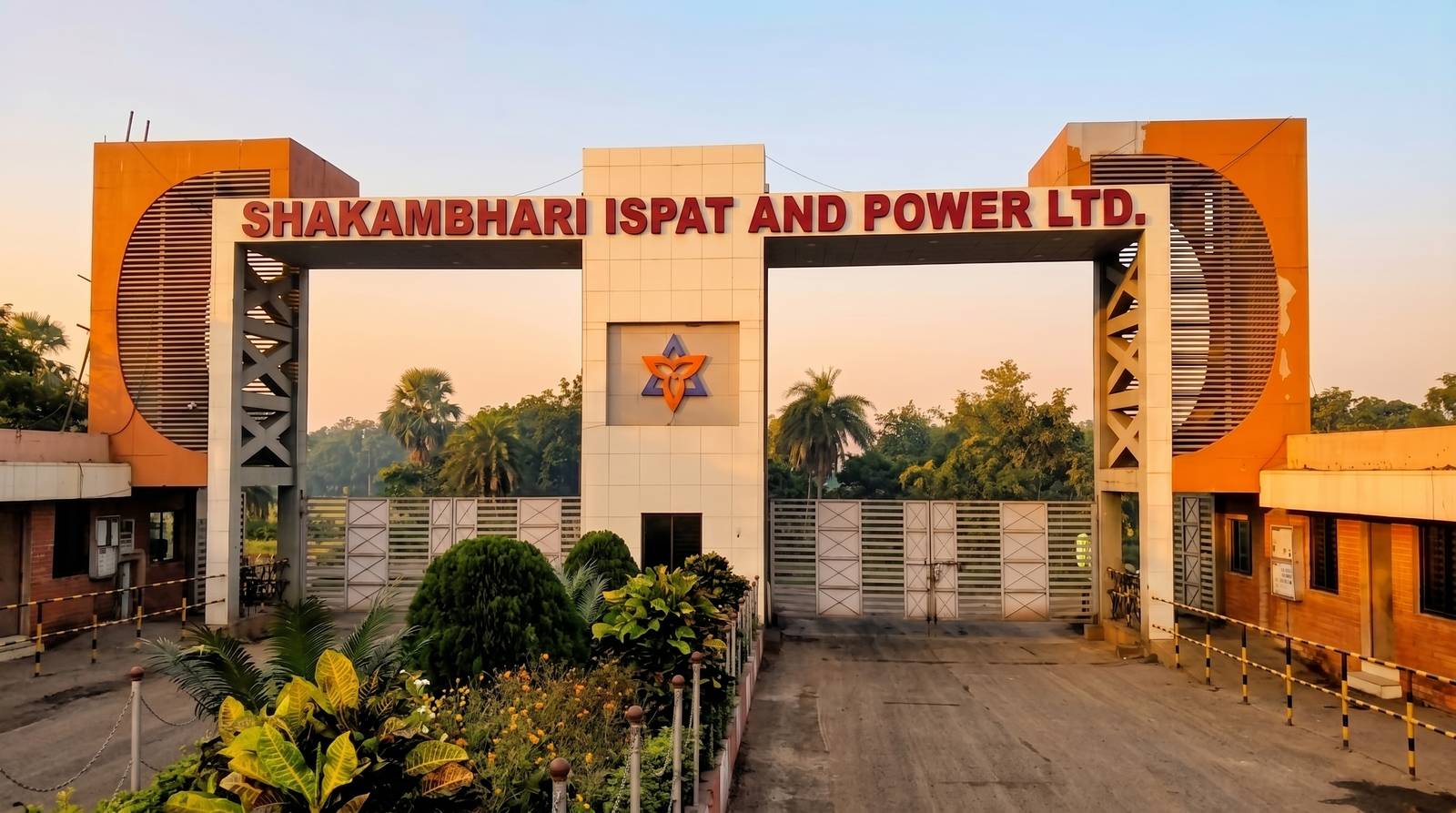
In June 2025, the acquired assets are amalgamated and the merged entity is renamed Shakambhari Ispat and Power Limited.
Multiple sectors, eight state-of-the-art units, under one umbrella: Shakambhari Ispat and Power Limited, part of Shakambhari Group. The diversification that started with a single Madandih factory in 2001 is still moving.
A conglomerate is judged by what it adds next, not just what it already owns.
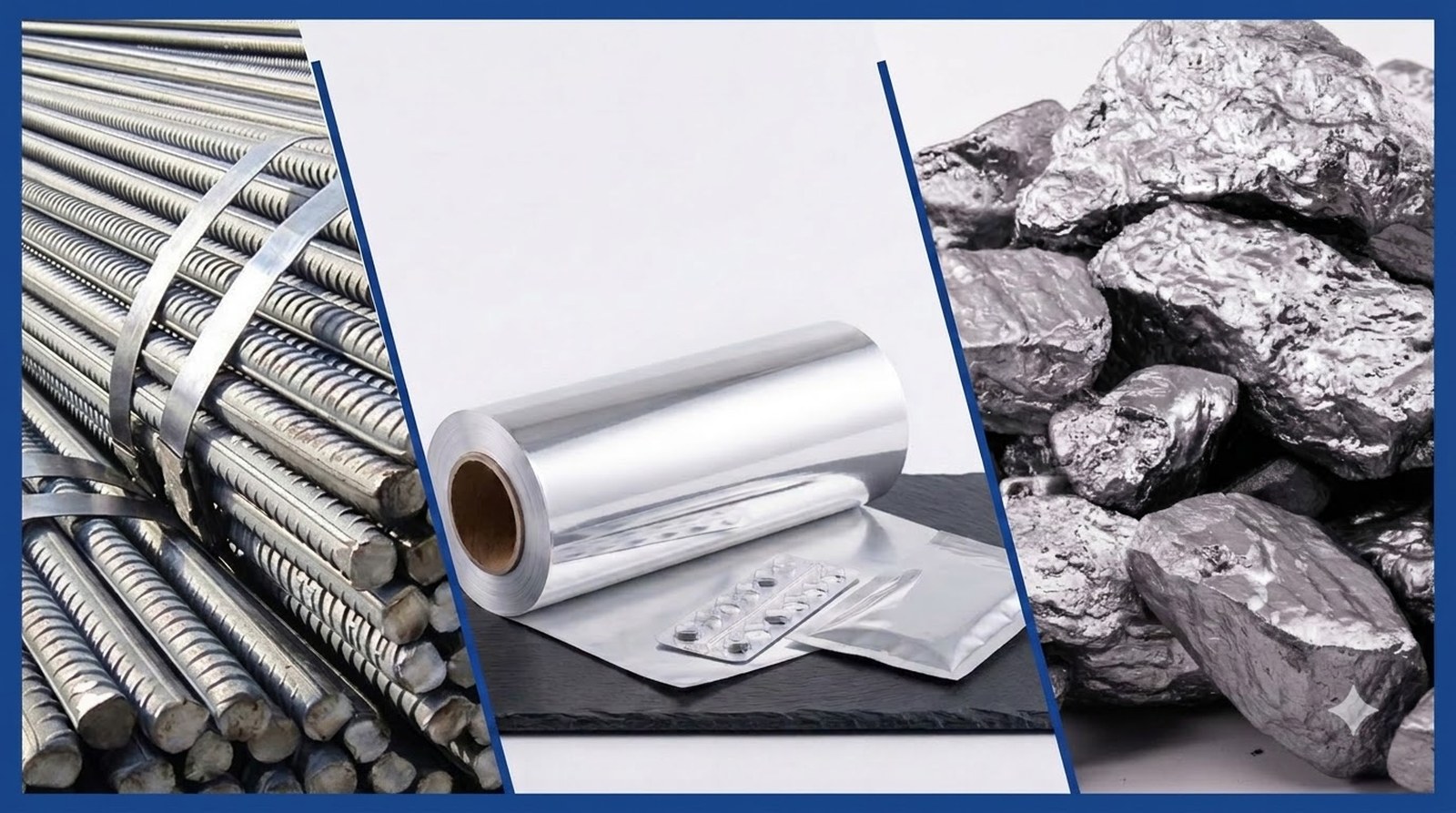
Shakambhari is no longer a steel company that happens to make a few other things. It is five businesses under one standard: integrated steel across eight establishments in West Bengal, ferro alloys produced in-house, captive power that keeps the whole chain running, an aluminium foil division, and an organic agriculture venture that proves the same discipline travels beyond metal. Every one of them exists for the reason the first factory did in 2001: to build something the nation can rely on.
Diversification here was never the endpoint. Ferro alloys in 2012, agriculture in 2014, aluminium foil in 2023, each was a deliberate step into a part of the economy Shakambhari believed it could serve better by owning rather than depending on. That instinct does not stop at 2026. The group keeps looking at where backward integration, in-house quality, and long-term ownership can be applied again, and whatever comes next will be judged by the same standard as everything that came before it: does it help build the nation forward.
Every mine opened and every furnace lit was a decision, and decisions add up to a philosophy. See the mission, vision and values this journey built, and where they're taking us next.